

Text by Bethany Adams
When speaking with clients who want to take the first step in creating a garden, there’s one thing landscape designer Renee Clermont hears more than anything else. “They call me because they’re overwhelmed with their landscape,” she says.
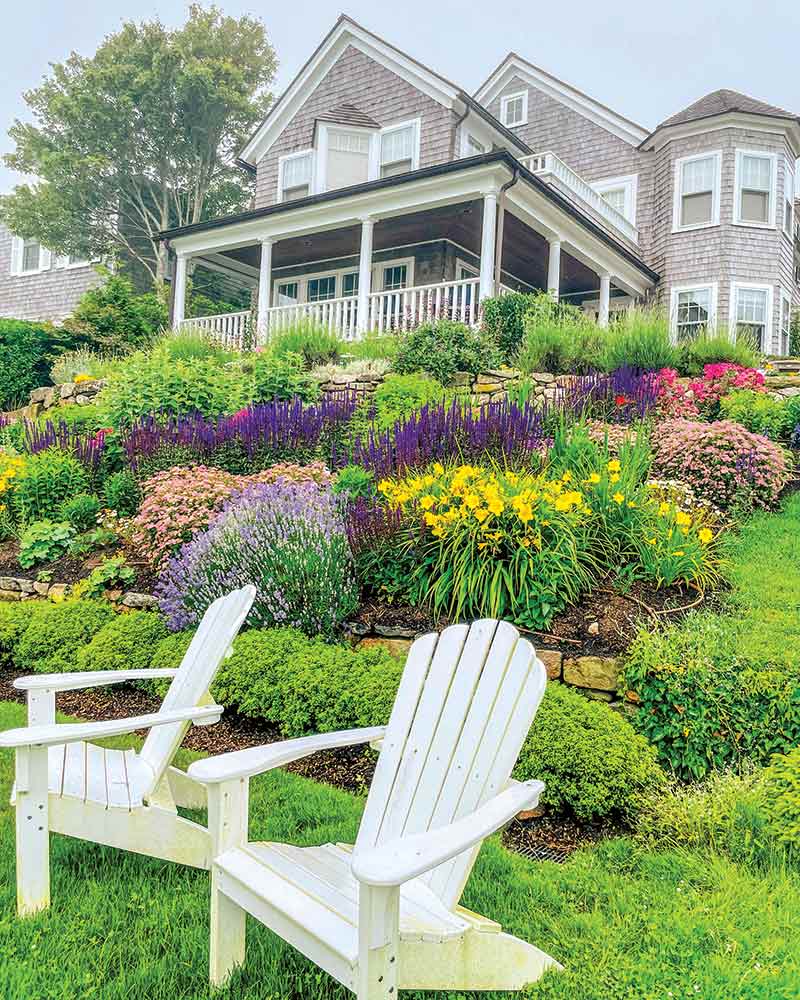
It is, she agrees, easy to become overwhelmed when planning to transform a bare yard into a flowering fantasy. But with years of experience both designing and consulting, she’s more than equipped to guide people in the right direction—and with a few tips straight from her arsenal, your personal gardening journey could be right around the corner.
MAKE A PLAN
“The pre-planning stage is the most important,” Renee says. “You have to find your space, define the space, [and] determine the needs of the space.” Researching your garden zone and considering elements such as sun exposure, rainfall, and soil type before you ever go to the plant store is essential for success. Sending a soil sample to a university extension can inform you what your soil is made of and what amendments it may need prior to planting.
CHOOSE WINNERS
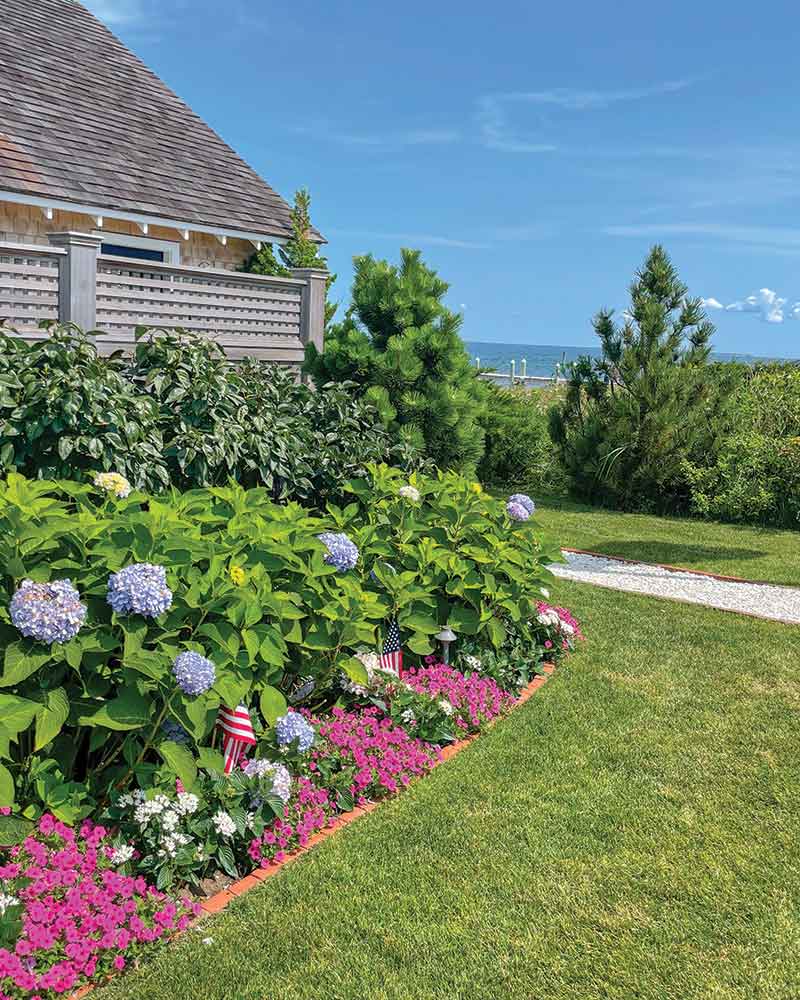
Nearly all of Renee’s Martha’s Vineyard projects feature annuals, perennials, and miniature trees, but the staple she most recommends is flowering shrubs. “They bloom for you, they give you structure, and they take up real estate,” she says, further endorsing their usefulness in creating separation, neatness, and even visual interest in the non-blooming months. Her favorites include panicle hydrangeas, spireas, and weigelas, but be sure to research your zone and consult your local nursery to find varieties that will work for you.
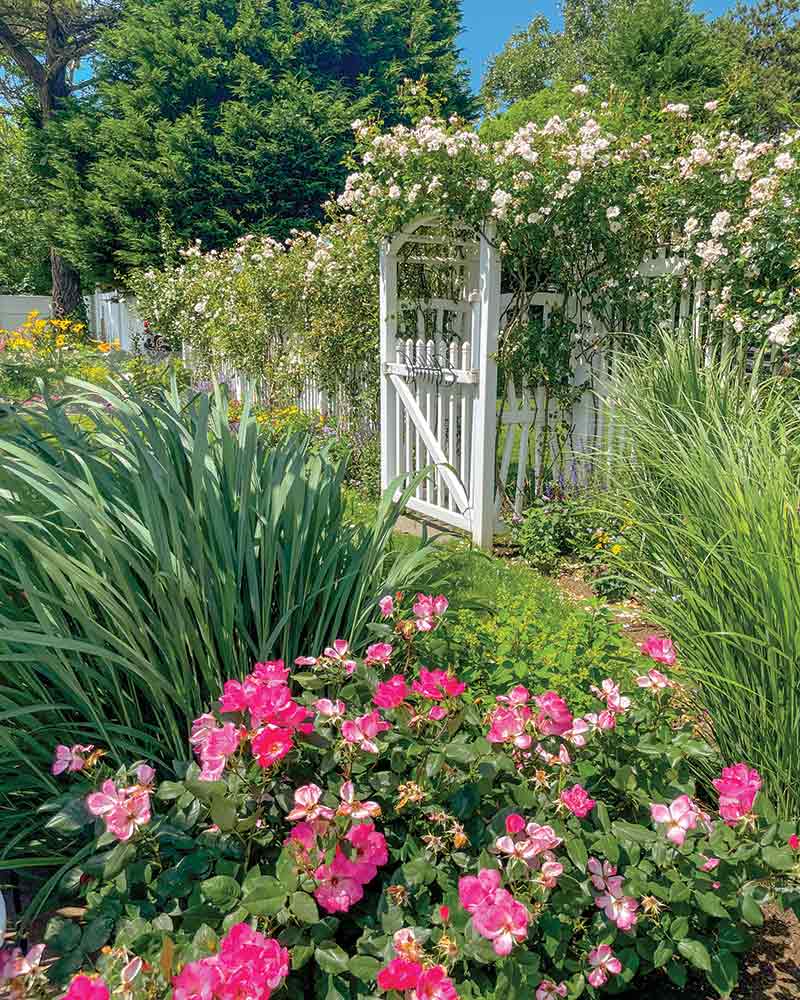
SHOP WITH INTENTION
Whether you prefer a monochromatic approach or, like Renee, a wide range of colors, her principles for maintaining a structured look include repeating colors within your palette and working in groups of three. “Regardless of the size of your space, always buy three of something,” she says. Additionally, varying the heights and textures of your flora will further contribute to structure and visual interest, particularly in gardens with fewer colors.
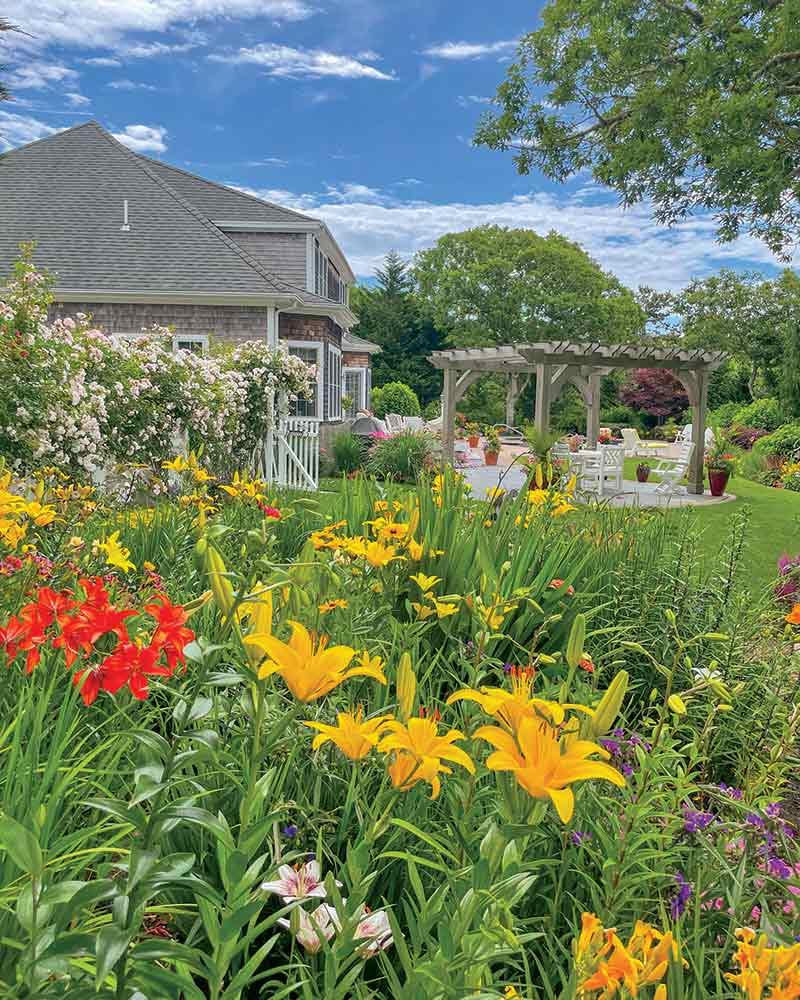
LOOK TO THE FUTURE
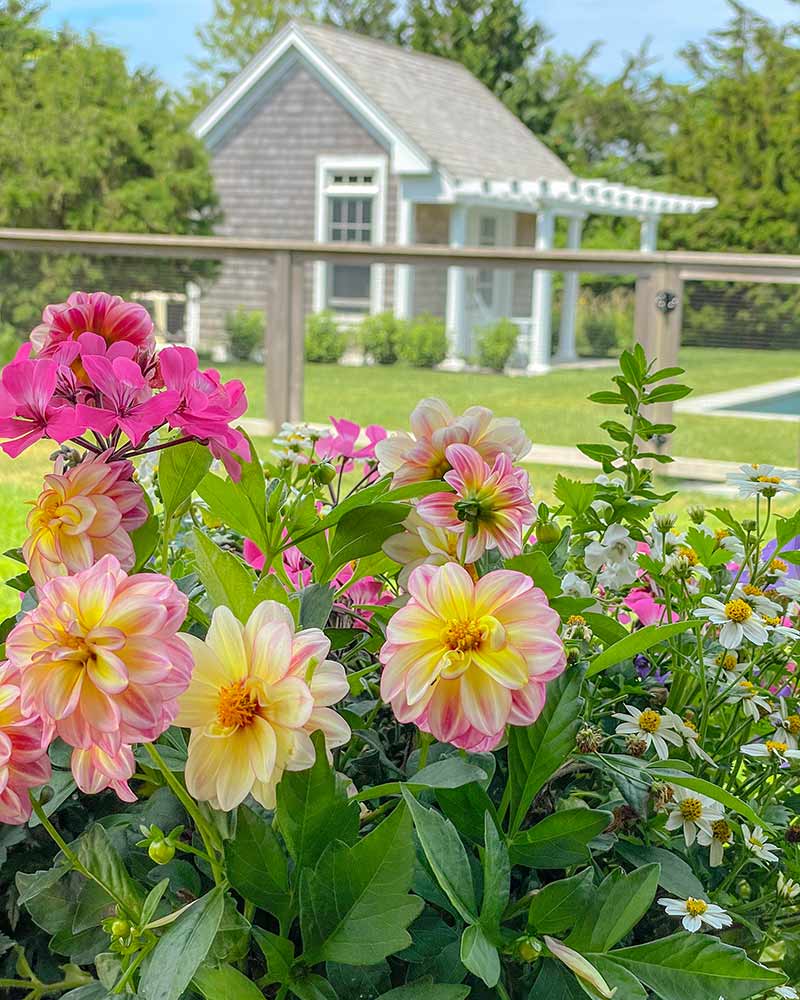
While it’s easy to become excited in May and buy all of your plants at once, when June and July arrive, you’ll be left with no blooms to enjoy. Renee suggests either checking plants’ tags to find varieties that will bloom later on in the summer—“If you like what the picture looks like, get it,” she says—or, if you’re working with perennials, shopping throughout the season. With careful planning, the following year will find you enjoying a summer-long spectacle in your very own yard.
![“I think my own personal style is a bit of French design [and] a little bit of English, but I just love that overly collected, curated, layered space that looks lived in and comfortable,” Paige says.](https://thecottagejournal.com/wp-content/uploads/2026/02/Photo-May-05-2022-2-46-08-PM_OTR-feat-218x150.jpg "Designer Paige Kontrafouris Layers Her 100-Year-Old Home with Collected Treasures")