

Text by Kate Lorio
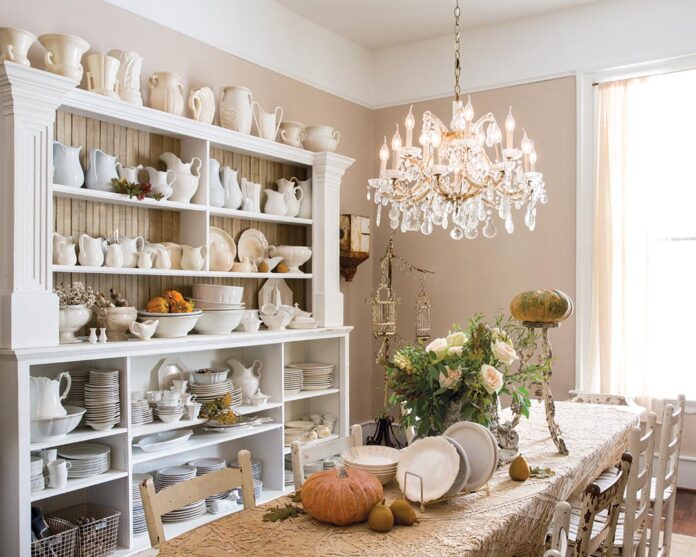
Perusing the dazzling array of ironstone carefully curated by enthusiasts, it’s hard to imagine that the pristine pottery had humble beginnings. Indeed, the radiantly detailed style of this ceramic ware was once developed as a cost-effective alternative to porcelain, and it is enjoying a resurgence in popularity for its highly touted functional allure as well as its elegance.
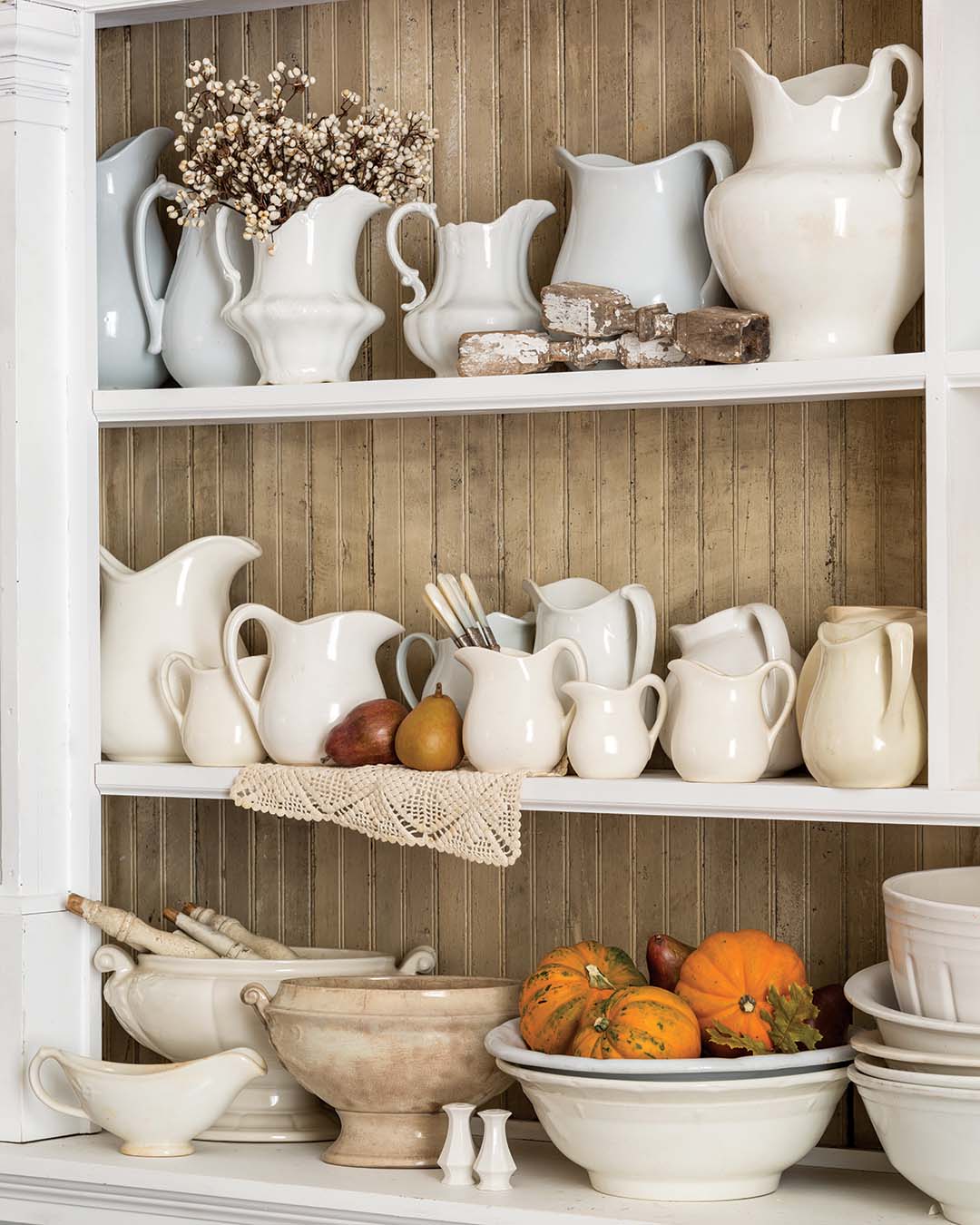
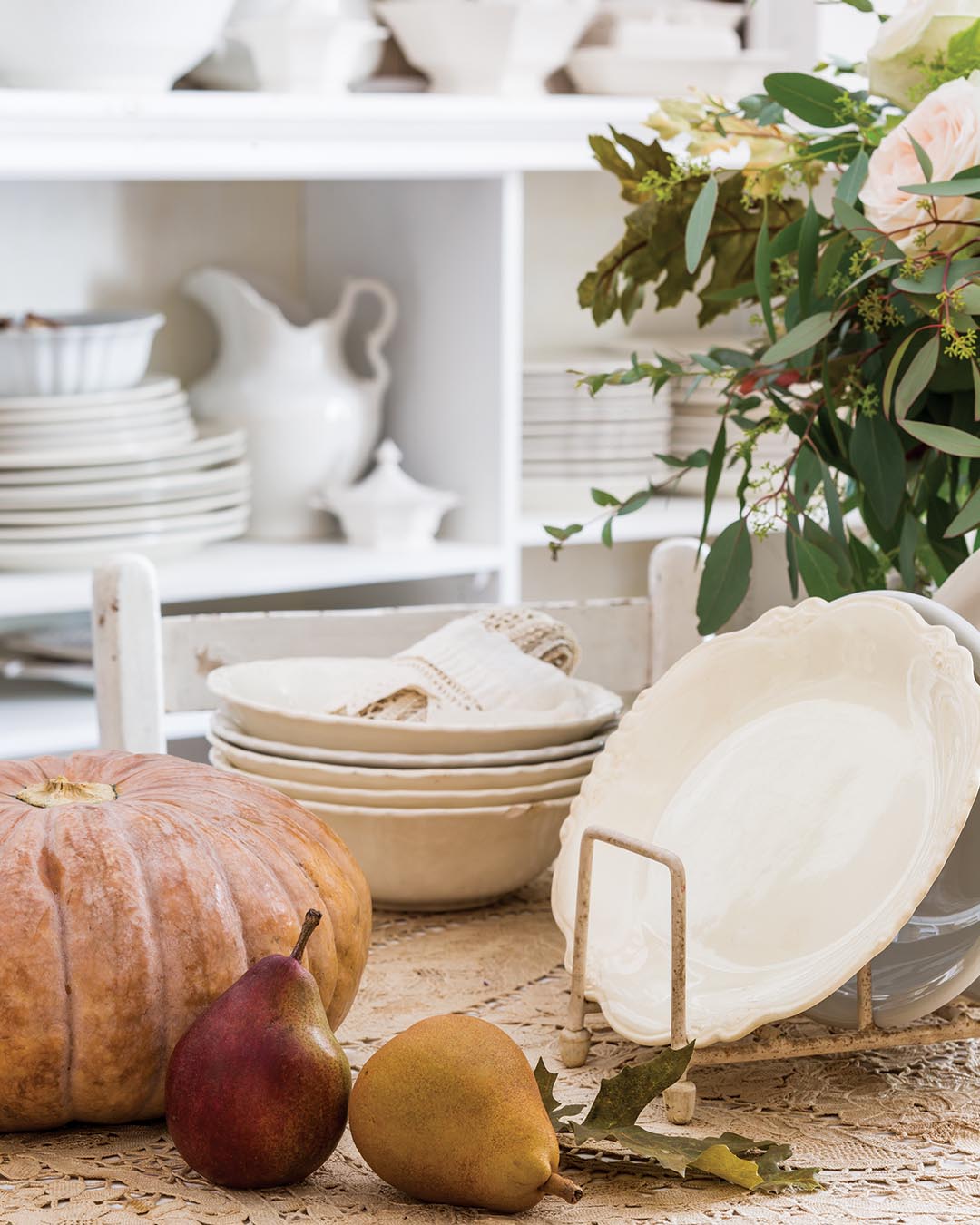
Although many objects were embellished with vivid transfer designs, the understated grace of all-white ironstone items marks them as enduring favorites. “Its simplicity brightens and enlivens the surroundings in which it is used,” says Adele Armbruster, president of the White Ironstone China Association (WICA), a national group founded in 1994 after interest blossomed in the 1980s. White also serves as a perfect blank canvas for decorating year-round, matching any seasonal décor when displayed on a shelf or incorporated into tablescapes and vignettes.
Ironstone’s ascent to the role of beloved heirloom began in the industrial boom of the 19th century, when Charles James Mason of Staffordshire, England, acquired a patent for a new type of pottery that would be less fragile than preexisting ceramics. After the patent expired, other European manufacturers took up fabricating ironstone, and much of it was exported to the United States.
Upon arrival in America, ironstone often gained popularity based on themes. For instance, farm communities treasured those ornamented with agricultural imagery, which became known as “thrashers’ ware.” Some devotees also fancy speculating about how a piece was used in the past and base their selections upon that history. “Collectors embrace the mysticism associated with previous owners,” says Adele.
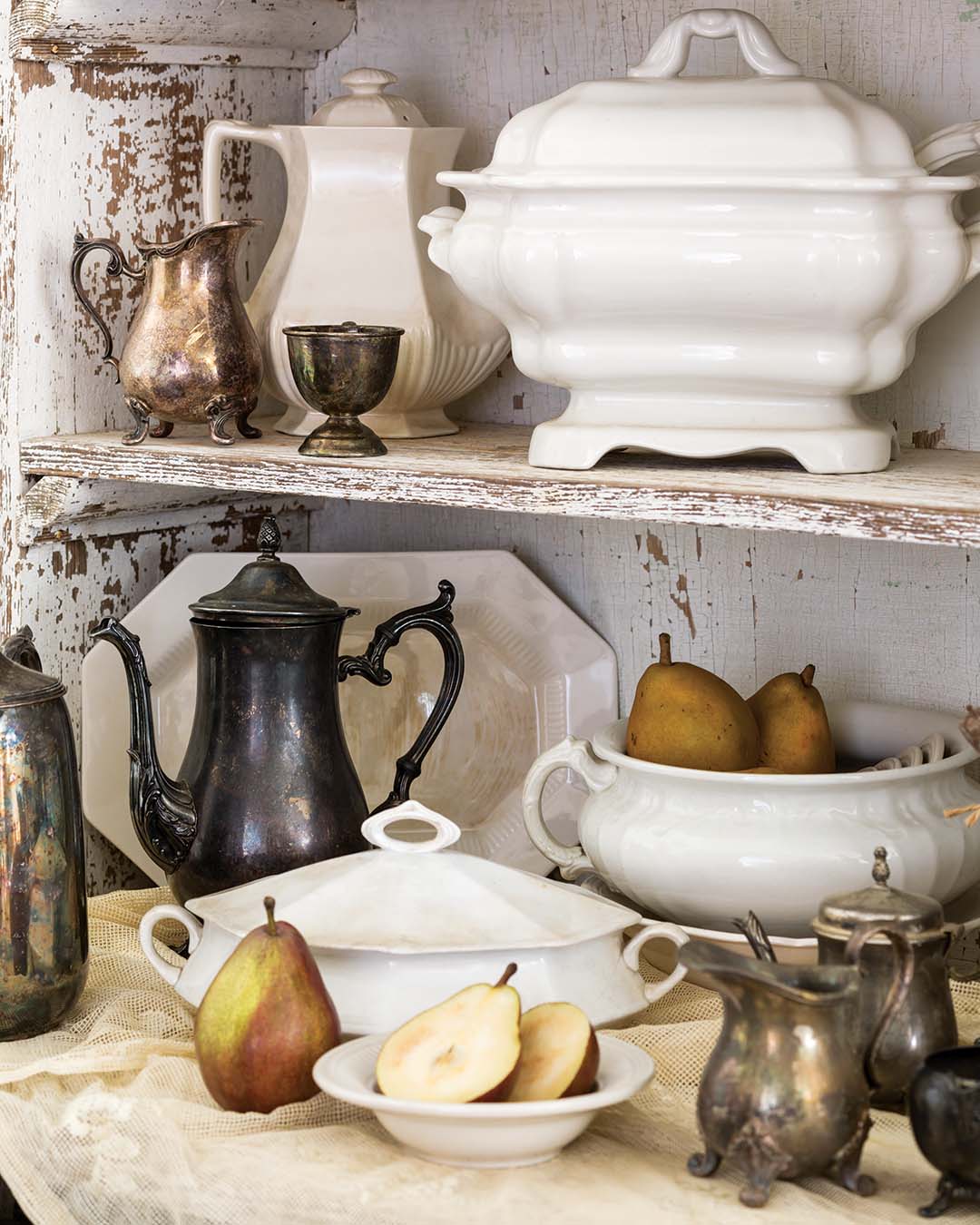
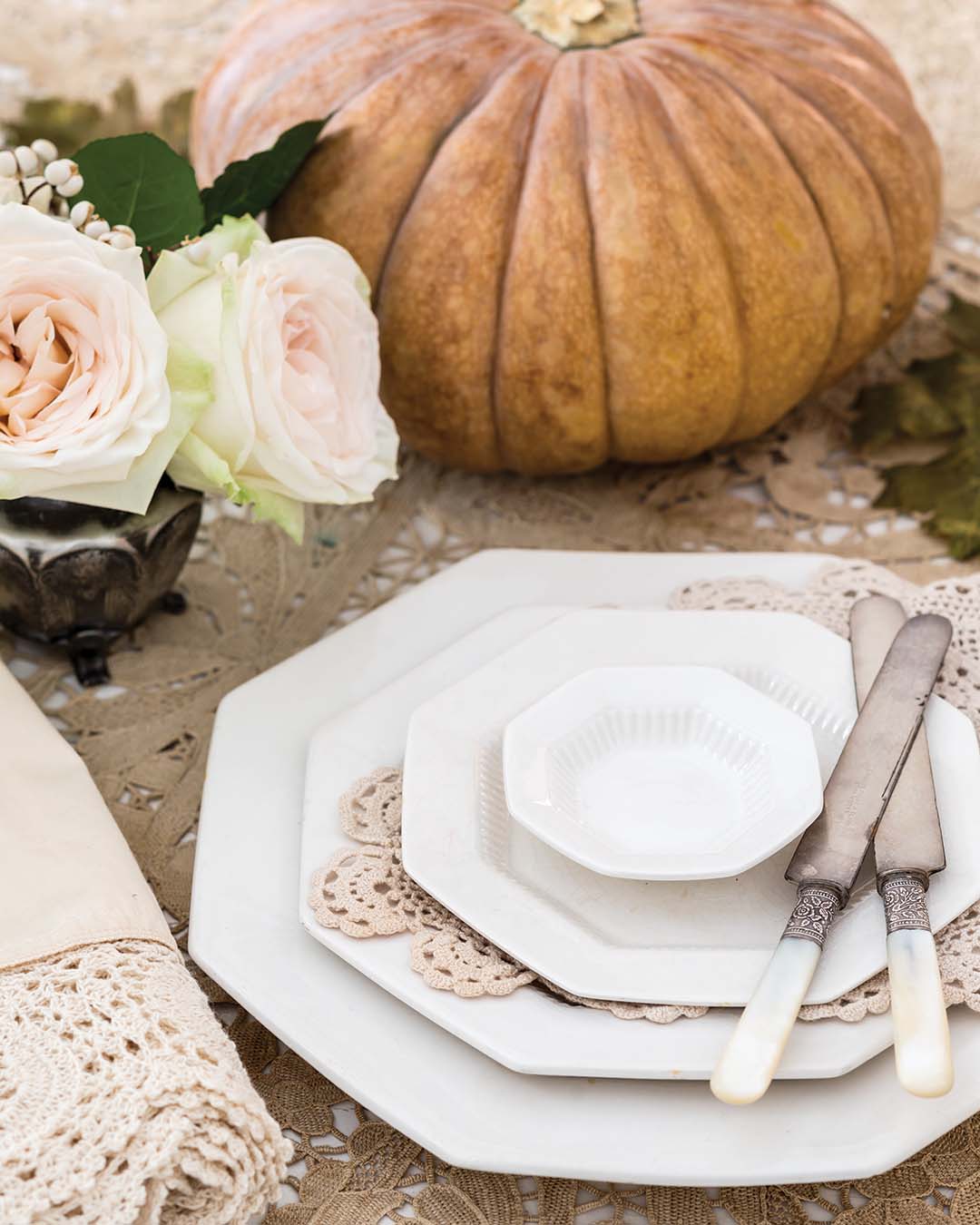
Earning its name not from the composition but from its robustness, ironstone was particularly suited to accommodate the increasingly lavish repast rituals of Victorians, which necessitated more dining appurtenances than those of previous generations. A marriage of durability and affordability brought the material into vogue with the general population seeking aesthetically appealing tableware suitable for everyday use.
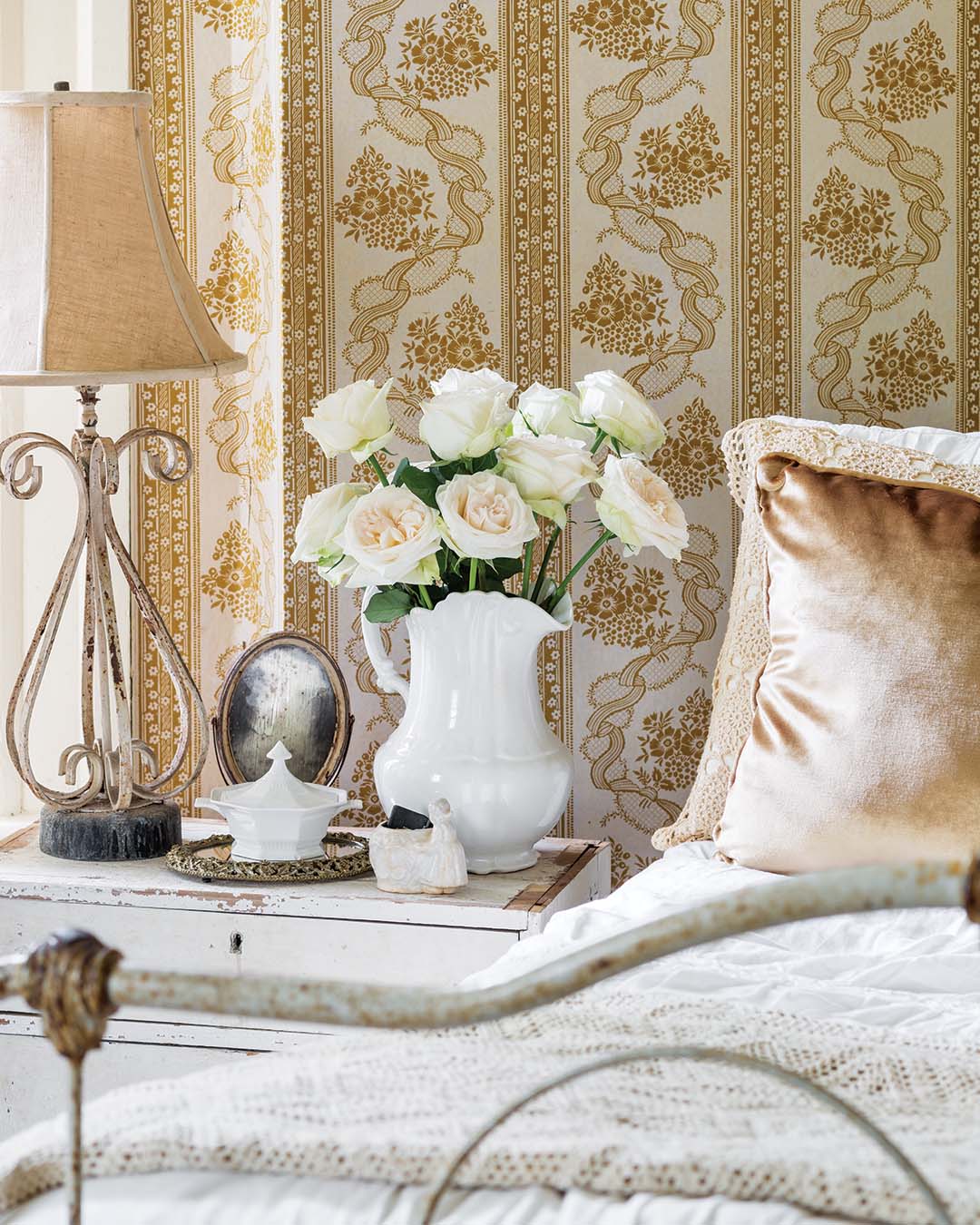
These attractive qualities have lived on into the 20th and 21st centuries, fostering ironstone’s long-standing popularity with hobbyists. Jim Kerr of Cavern View Antiques in Howes Cave, New York, an active member of the association, agrees with Adele that white is high on the list for fans, but other factors are at play. “In the past, many collectors concentrated on one particular shape in order to accumulate a set. Today, having a variety of shapes seems to be more the norm,” he says.
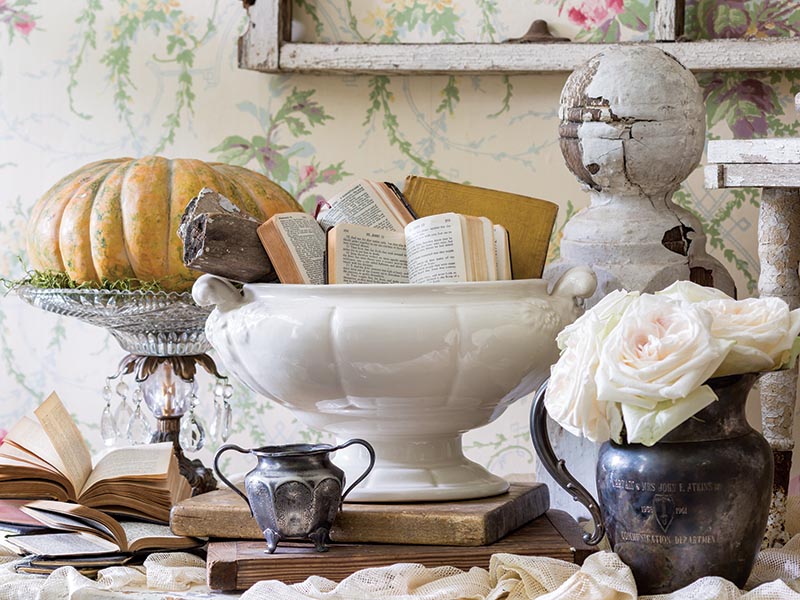
The association provides many resources for the increasing number of aficionados, including a website, newsletters, and books for the eager new collector. But the real pleasure comes from the hunt, as more followers discover the exhilaration of coming across a spotless white cake stand, bowl, or pitcher. As with any cache of vintage treasures, find what appeals to you. “Ironstone collecting is a personal thing,” Adele says. “What one person gets excited about could be entirely different than another person’s interests.”
For more information, visit whiteironstonechina.com.





![“I think my own personal style is a bit of French design [and] a little bit of English, but I just love that overly collected, curated, layered space that looks lived in and comfortable,” Paige says.](https://thecottagejournal.com/wp-content/uploads/2026/02/Photo-May-05-2022-2-46-08-PM_OTR-feat-218x150.jpg "Designer Paige Kontrafouris Layers Her 100-Year-Old Home with Collected Treasures")